
 简中
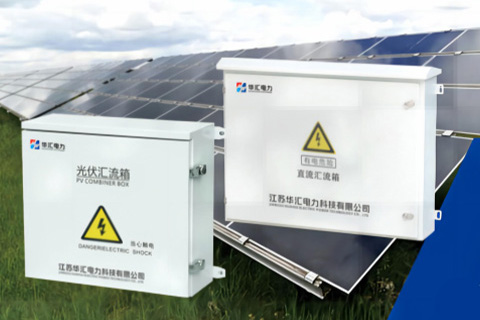
简中A 400V AC combiner box plays a critical role in medium- and large-scale electrical systems, especially in solar power plants, industrial power distribution, and commercial energy projects. Choosing the right AC combiner box ensures system safety, reliability, and long-term performance.
Why Choosing the Right AC Combiner Box Matters
Selecting the correct 400V AC combiner box directly affects system efficiency and safety. An unsuitable combiner box can lead to overheating, power losses, frequent tripping, or even electrical hazards. A well-designed combiner box improves power management, simplifies maintenance, and helps comply with international electrical standards.
Key Factors to Consider When Choosing a 400V AC Combiner Box
1. System Compatibility
Before selecting a combiner box, confirm that it matches your system’s voltage and frequency requirements. A 400V AC combiner box should be fully compatible with the inverter output voltage, grid connection standards, and load characteristics. Also consider whether the system is three-phase and how many input circuits need to be combined.
2. Number of Input and Output Circuits
Different projects require different numbers of input channels. Choose a combiner box that supports the current and quantity of AC inputs in your system, with room for future expansion if possible. Proper circuit design helps prevent overload and improves overall system stability.
3. Protection Features
High-quality protection is essential for safe operation. A reliable 400V AC combiner box should include short-circuit protection, overcurrent protection, and surge protection to guard against lightning and grid fluctuations. These features help extend equipment lifespan and reduce the risk of downtime.
4. Enclosure and Environmental Rating
The operating environment has a significant impact on product selection. For outdoor or harsh environments, choose a combiner box with a robust enclosure and a suitable IP rating to protect against dust, moisture, and corrosion. Materials such as stainless steel or coated metal can improve durability in challenging conditions.
5. Monitoring and Maintenance Convenience
Modern 400V AC combiner boxes may offer monitoring options such as current measurement, fault alarms, or communication interfaces. These features allow operators to quickly identify issues and perform maintenance efficiently, reducing operational costs over time.
6. Compliance with Standards and Certifications
Ensure that the combiner box meets relevant international or local electrical standards. Compliance with certifications such as IEC or other recognized safety regulations indicates that the product has been tested for reliability and performance.
7. Manufacturer Experience and Support
Choosing a reputable manufacturer is just as important as choosing the right technical specifications. Experienced suppliers typically offer better product quality, technical support, and after-sales service. This can be crucial for troubleshooting and long-term system operation.
Common Applications of 400V AC Combiner Boxes
400V AC combiner boxes are widely used in solar power plants, commercial rooftops, industrial facilities, and energy storage systems. They are especially valuable in projects where multiple inverters or AC power sources need to be efficiently integrated into a centralized power distribution system.
Final Thoughts
Choosing the right 400V AC combiner box requires careful evaluation of system requirements, safety features, environmental conditions, and manufacturer reliability. By considering these factors, you can ensure a stable, efficient, and compliant electrical system that supports long-term operation. A well-selected AC combiner box not only improves performance but also enhances safety and simplifies system management.


