
 简中
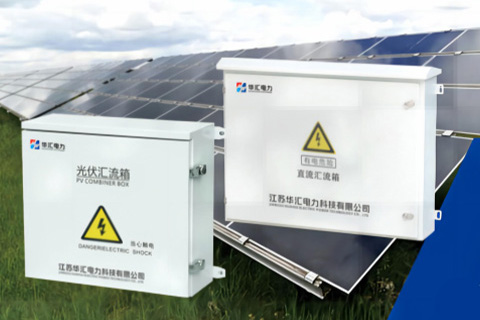
简中A Combiner Box is a critical component in solar power systems, acting as the central point where multiple solar panel strings are combined before connecting to the inverter. While these boxes are built for reliability, they can still experience problems that affect the efficiency, safety, and longevity of the system. Understanding common issues and how to address them is essential for proper maintenance.
1. Loose Connections
One of the most frequent problems in a Combiner Box is loose wiring. Over time, vibrations, thermal expansion, and environmental conditions can cause wires and terminal screws to loosen. Loose connections can lead to energy loss, arcing, and even equipment damage.
Fix: Regularly inspect all connections, tightening screws and ensuring wires are properly secured. Using a torque screwdriver ensures consistent tension and reduces the risk of accidental loosening.
2. Blown Fuses
Fuses inside a Combiner Box protect individual solar strings from overcurrent. A blown fuse can disrupt power flow and reduce the system’s output.
Fix: Replace the faulty fuse with one of the same rating. After replacement, inspect the affected string for issues such as damaged panels, short circuits, or wiring faults to prevent repeated failures.
3. Tripped Circuit Breakers
Circuit breakers safeguard the system from overcurrent, but frequent trips can indicate underlying problems such as wiring errors, short circuits, or faulty equipment.
Fix: Reset the breaker and investigate the cause. Check wiring integrity, inspect connected strings, and consult a professional if breakers continue to trip. Upgrading to correctly rated breakers may also solve recurring issues.
4. Overheating
Overheating in a Combiner Box can occur due to high current, inadequate ventilation, or extreme ambient temperatures. Excessive heat can damage internal components and create safety hazards.
Fix: Install the Combiner Box in a shaded, ventilated area. Verify that wiring sizes match current ratings and avoid overloading strings. For larger systems, consider using Combiner Boxes with built-in cooling features or temperature sensors.
5. Corrosion and Moisture
Outdoor Combiner Boxes are exposed to weather, and moisture ingress can cause corrosion on terminals and busbars. Corrosion reduces conductivity and can eventually lead to system failures.
Fix: Choose Combiner Boxes with a suitable IP rating for outdoor use. Inspect for moisture regularly, clean any corroded parts, and apply protective coatings. Ensure seals and gaskets are intact to prevent future water intrusion.
6. Faulty Monitoring Devices
Modern Combiner Boxes often include sensors or monitoring devices to track string performance. Faulty devices can provide inaccurate readings, making it difficult to detect issues.
Fix: Test sensors and monitoring components regularly. Replace any defective devices and ensure proper calibration for accurate system monitoring.

Conclusion
A Combiner Box is vital for the safe and efficient operation of a solar power system. By understanding and addressing common issues like loose connections, blown fuses, tripped breakers, overheating, corrosion, and faulty monitoring devices, system owners can maintain performance and prevent costly downtime. Regular inspection and timely maintenance ensure that the solar array continues to operate efficiently and reliably.


