
 简中
简中In a solar photovoltaic (PV) system, the DC Combiner Box acts as the central nervous system, bringing together multiple strings of solar panels into a single output that feeds into your inverter.
Proper wiring is critical not just for system efficiency, but for the safety of your home or facility. This guide breaks down the process into clear, manageable steps to help you understand the internal architecture and installation of a DC combiner box.
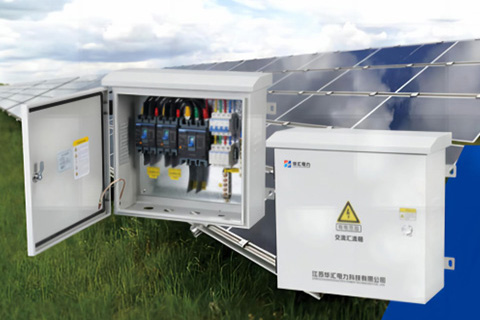
Why the DC Combiner Box is Essential
A combiner box simplifies your system's wiring by consolidating several DC inputs. Without it, you would have to run dozens of individual wires directly to the inverter, which is inefficient and difficult to manage. It also provides vital protection through:
Overcurrent Protection: Individual fuses or breakers for each string.
Surge Protection: Shielding your expensive inverter from lightning or voltage spikes.
Rapid Disconnect: A single point to shut down DC power during maintenance.
Core Components You Will Encounter
Before you start wiring, it is helpful to identify the parts inside the box:
DC Fuses/Circuit Breakers: These protect each individual solar string from back-feeding or short circuits.
DC Surge Protective Device (SPD): Diverts excess voltage to the ground to prevent equipment damage.
Busbars: Thick metal plates that "combine" the positive and negative currents from all inputs into one large output.
DC Isolator Switch: The main "ON/OFF" switch for the combined output.
Grounding Terminals: Where all the green/yellow earth wires connect.
Step-by-Step Wiring Instructions
1. Preparation and Safety First
Before opening the box, ensure all solar panels are covered or disconnected to prevent live voltage. Use an insulated multimeter to verify there is no current. Always wear electrical safety gloves and eye protection.
2. Mounting the Box
Install the combiner box in a location that is easily accessible but protected from direct sunlight and heavy rain. Most boxes are NEMA 4 or IP65 rated, but keeping them in the shade helps prolong the life of the internal electronics.
3. Wiring the Input Strings (Solar Panels to Box)
Identify Polarities: For each solar string, you will have a Positive (+) and a Negative (-) wire.
Connect Positive Wires: Route the positive wire of String 1 into the top of the first DC Fuse holder. Repeat this for all strings.
Connect Negative Wires: Route the negative wires to the Negative Busbar. In some configurations, negative wires also go through fuses, but usually, they go directly to a common busbar.
4. Internal Busbar Connections
The bottom of all fuse holders should be linked together using a comb busbar or heavy-gauge jumper wires.
This "combined" positive current then flows into the DC Isolator Switch.
5. Connecting the Surge Protective Device (SPD)
The SPD is wired in parallel. The positive and negative terminals of the SPD connect to the main positive and negative busbars.
The Ground terminal of the SPD must be connected to the box’s main grounding busbar with a thick copper wire.
6. Output Wiring (Box to Inverter)
Connect the Main Positive Output from the DC Isolator Switch to the inverter's DC input.
Connect the Main Negative Output from the Negative Busbar to the inverter's DC input.
Ensure these cables are sized correctly (usually much thicker than the input wires) to handle the combined amperage of all strings.
7. System Grounding
Connect the combiner box's grounding lug to the main building ground or the solar array's grounding electrode. This is the most important step for preventing fires and equipment failure during a lightning strike.
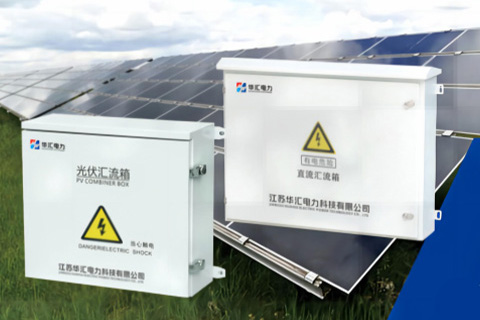
Best Practices for a Professional Install
Labeling: Use a permanent marker or label maker to identify String 1, String 2, etc. This makes troubleshooting much easier later.
Torque Check: Use a torque wrench to tighten all terminals to the manufacturer’s specifications. Loose connections cause heat, which leads to melted plastic and fires.
Wire Management: Use cable ties to keep the interior neat. Avoid "birds' nests" of wires that can trap heat.
Sealing: Ensure all cable glands (the entry points for wires) are tightened securely to keep moisture and insects out.


