
 简中
简中In a solar photovoltaic (PV) system, the DC Combiner Box is a critical piece of infrastructure that often goes unnoticed until you start scaling your system. Whether you are a DIY enthusiast or looking into commercial solar, understanding this "central hub" is key to system safety and efficiency.
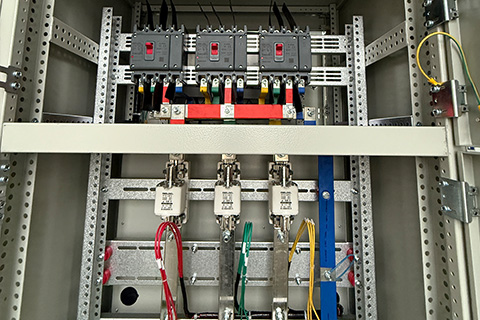
What is a DC Combiner Box?
A DC Combiner Box is an electrical component that aggregates multiple DC (Direct Current) inputs from solar panel strings into a single DC output.
In simple terms, think of it like a funnel. If you have 10 strings of solar panels, you don't want 20 individual wires running all the way down to your inverter. Instead, those 10 strings plug into the combiner box, and only two thick wires (one positive, one negative) exit the box to head to the inverter.
The Core Functions of a Combiner Box
Beyond just organizing wires, a DC combiner box performs several vital safety and management tasks:
Circuit Protection: It houses fuses or breakers for each individual string. If one string has a fault, the fuse blows, isolating that string without affecting the rest of the system or causing a fire.
Lightning & Surge Protection: Most boxes include a Surge Protective Device (SPD) to protect your expensive inverter and panels from voltage spikes or nearby lightning strikes.
Centralized Disconnect: It provides a manual "kill switch." This allows technicians to safely shut off the power coming from the roof at a single point before performing maintenance.
Simplified Cable Management: By merging many small wires into one large set, it reduces the complexity of the installation and lowers the cost of expensive copper wiring.
Essential Components Explained
Instead of a complex list, here are the main parts you will find inside a high-quality combiner box:
DC Fuses or Circuit Breakers: These are the first line of defense, preventing overcurrent from damaging the wiring or the panels.
Surge Protective Device (SPD): This component acts like a "pressure relief valve" for electricity, dumping excess voltage into the ground during a surge.
Busbars: These are thick metal plates (usually copper or tin-plated) where all the individual string wires meet to combine their current.
The Enclosure: Usually rated NEMA 4 or IP65, this box is built to withstand rain, dust, and extreme UV exposure.
Blocking Diodes (Optional): Some boxes include these to prevent "backfeed" current from flowing from one string into another during shaded conditions.
Why Do You Need a Combiner Box?
You might wonder if you can skip the box. Here is why it is usually essential:
1. Safety Compliance
For most installations with more than two strings, electrical codes (like the NEC in the US) require overcurrent protection. The combiner box is the easiest way to meet these safety standards.
2. Cost Savings
Running 10 separate sets of wires over 50 feet is significantly more expensive than running 10 sets of wires for 5 feet into a box, and then one large set for the remaining 45 feet.
3. Easier Troubleshooting
If your solar output drops, a technician can open the combiner box and test each string individually to find the exact panel or wire that is failing.
Common FAQ: Solar Combiner Boxes
When do I NOT need a combiner box?
If you have a very small system (typically 1 or 2 strings), you can usually plug the panels directly into the inverter. Micro-inverter systems also don't use DC combiner boxes because the conversion to AC happens right at the panel.
What is the difference between an AC and DC Combiner Box?
A DC Combiner Box sits between the solar panels and the string inverter. An AC Combiner Box is used to merge the outputs of multiple micro-inverters or string inverters before the power goes to the main electrical grid.
Does a combiner box increase efficiency?
Technically, it doesn't increase the energy the panels produce. However, by allowing for thicker gauge wires for the long run to the inverter, it helps reduce voltage drop, ensuring more of the power produced on the roof actually reaches your battery or the grid.
How do I choose the right size?
You must match the box to your system's total voltage (often 600V or 1000V) and ensure it has enough "inputs" (or positions) for every string in your array.

Summary
The DC Combiner Box is the "safety warden" of your solar energy system. It keeps your installation organized, protects your equipment from electrical faults, and makes maintenance much simpler. As you plan your solar journey, investing in a high-quality, weather-rated combiner box is one of the smartest decisions you can make.


