
 简中
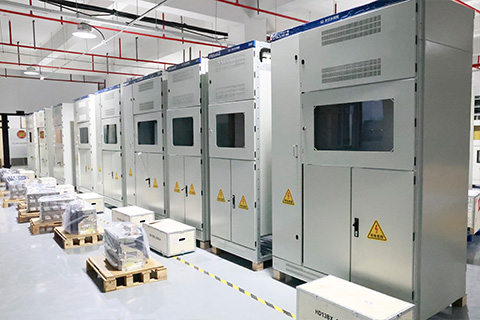
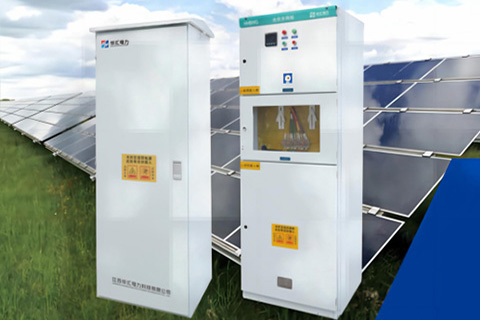
简中A PV Grid-Connected Cabinet plays a critical role in solar power systems, acting as the interface between photovoltaic panels and the main power grid. Proper installation ensures optimal performance, safety, and longevity of the system. In this guide, we will walk you through the essential steps for installing a grid-connected cabinet.
1. Site Assessment and Preparation
Before installing a PV Grid-Connected Cabinet, conduct a thorough site assessment. Ensure the location is well-ventilated, dry, and protected from direct exposure to harsh weather conditions. The cabinet should be easily accessible for maintenance but away from high-traffic areas to minimize accidental damage.
2. Foundation and Mounting
A stable foundation is crucial for a grid-connected cabinet. Depending on the model, you may need to mount it on a concrete pad or a sturdy wall bracket. Ensure that the cabinet is level and secure, as vibration or tilting can affect internal components over time.
3. Electrical Connections
Next, connect the cabinet to the photovoltaic array. Proper wiring is essential to prevent energy loss and potential hazards. Always follow the manufacturer’s wiring diagram and ensure that all connections are tight. Use high-quality cables rated for the expected current load. Grounding is also vital for safety, reducing the risk of electrical shock or damage during lightning events.
4. Integration with the Grid
A PV Grid-Connected Cabinet interfaces directly with the utility grid. Work with a licensed electrician to connect the cabinet to the main power supply. Ensure compliance with local electrical codes and grid regulations. Some cabinets may include built-in protection devices such as circuit breakers or surge protectors, which should be tested before full operation.
5. System Testing
After installation, perform a series of tests to verify system integrity. Check voltage levels, current flow, and inverter functionality. Ensure that the cabinet responds correctly to grid fluctuations and that all safety features operate as expected.
6. Commissioning and Maintenance
Once the system passes testing, the cabinet is ready for commissioning. Regular maintenance, including cleaning ventilation fans, inspecting connections, and monitoring system performance, will help ensure the long-term efficiency of your PV Grid-Connected Cabinet.
Conclusion
Installing a PV Grid-Connected Cabinet may seem straightforward, but attention to detail at each step is crucial. From site preparation to electrical connections and system testing, following proper procedures ensures safety, efficiency, and durability. With careful installation and regular maintenance, your grid-connected solar system will provide reliable energy for years to come.


