
 简中
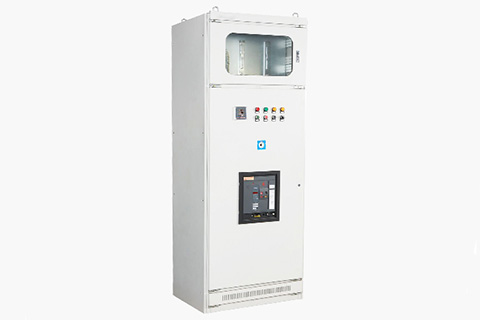
简中A PV Grid-Connected Cabinet is an essential component in solar photovoltaic (PV) systems, acting as the interface between solar power generation and the public utility grid. This cabinet ensures that electricity produced by solar panels is safely and efficiently fed into the grid, meeting both performance and regulatory requirements.
With the rapid growth of renewable energy, the PV Grid-Connected Cabinet has become a key part of commercial, industrial, and utility-scale solar installations.
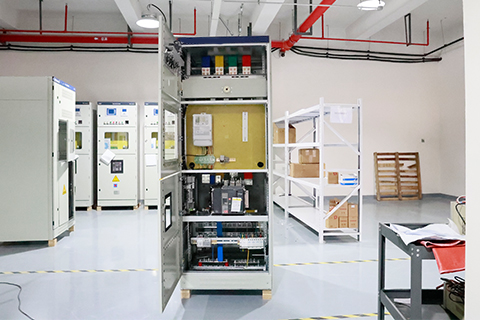
The Role of a PV Grid-Connected Cabinet
In a grid-tied solar system, the electricity generated by solar panels is first converted from DC (direct current) to AC (alternating current) by inverters. The PV Grid-Connected Cabinet then performs several important functions:
Collects AC power output from one or multiple inverters
Provides electrical protection before connecting to the utility grid
Monitors system operation and key electrical parameters
Ensures compliance with local grid connection standards
By integrating these functions, the PV Grid-Connected Cabinet guarantees both system safety and stable operation.
Main Components of a PV Grid-Connected Cabinet
A typical PV Grid-Connected Cabinet includes:
Circuit breakers and isolators for safe disconnection
Surge protection devices to prevent damage from lightning or voltage spikes
Protection relays for overcurrent, overvoltage, and short-circuit detection
Measurement devices for voltage, current, and energy monitoring
Communication modules for system monitoring and control
These components collectively make the PV Grid-Connected Cabinet the central hub for power management and grid safety.
Key Benefits of Using a PV Grid-Connected Cabinet
Enhanced Grid Safety
The PV Grid-Connected Cabinet protects both the utility grid and system equipment by providing multiple layers of electrical protection.
Reliable System Operation
By managing inverter outputs and balancing power loads, the cabinet ensures continuous and stable solar power generation.
Compliance With Grid Standards
Modern PV Grid-Connected Cabinets are designed to meet national and international grid codes, simplifying approvals from utility companies.
Centralized Monitoring and Control
For larger solar installations, the cabinet allows for centralized control, reducing operational complexity and maintenance costs.
Applications of PV Grid-Connected Cabinets
The PV Grid-Connected Cabinet is widely applied in:
Commercial rooftop solar installations
Industrial and utility-scale solar plants
Distributed energy systems and microgrids
Its flexibility makes it suitable for both small-scale residential systems and large solar farms.
PV Grid-Connected Cabinet vs. Combiner Box
While a PV combiner box collects DC power from solar panel strings, the PV Grid-Connected Cabinet handles AC power after inverter conversion, preparing it for safe delivery to the grid. Understanding this distinction is crucial when designing an efficient solar power system.
Future Trends in PV Grid-Connected Cabinets
With the rise of smart grids and digital energy management, modern PV Grid-Connected Cabinets are increasingly integrated with:
Remote monitoring and IoT communication
Intelligent fault detection and automatic protection
Energy management system (EMS) support
Grid support functions such as reactive power control
These innovations make the PV Grid-Connected Cabinet a key enabler for high-performance and reliable solar power integration.
Conclusion
The PV Grid-Connected Cabinet is a vital component for any grid-tied solar power system. It ensures safe power transmission, system reliability, regulatory compliance, and efficient integration with the grid. Choosing the right PV Grid-Connected Cabinet not only maximizes system performance but also enhances safety and long-term operational stability.
As solar energy adoption continues to expand globally, high-quality PV Grid-Connected Cabinets will play an increasingly important role in renewable energy systems.


