
 简中
简中In modern power distribution systems, the grid-connected box often stands quietly in the background, performing tasks essential to stability, protection, and coordination. Yet, in many installations, it is treated merely as a functional connection point — a bridge between generation and the public grid. The truth is, its potential reaches far beyond simple power transfer. When properly configured and utilized, the grid-connected box can become a cornerstone of operational efficiency, safety assurance, and intelligent management.
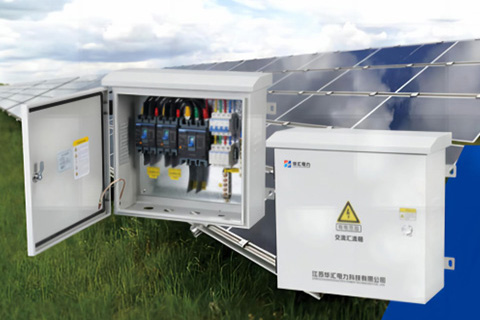
1. Beyond Connection — A Hub of Coordination
A grid-connected box does more than connect circuits. It harmonizes the flow of electricity between power generation units and the grid, ensuring stable voltage, frequency, and phase alignment. This coordination prevents disruptions and supports the seamless integration of multiple energy sources. Whether in an industrial complex or a renewable energy plant, the box acts as the control center that keeps every electrical movement in rhythm.
2. Unlocking Its Protective Functions
Inside the grid-connected box lies a network of protection devices — circuit breakers, isolators, and surge protectors. These components work together to detect abnormalities and isolate faults instantly, preventing failures from spreading across the system. However, to truly leverage these features, operators must ensure correct configuration, timely testing, and ongoing monitoring. Proper calibration of protective thresholds transforms the box from a passive device into an active safeguard for both equipment and personnel.
3. Turning Data into Operational Insight
Many modern grid-connected boxes are equipped with monitoring and communication modules that record electrical parameters such as voltage, current, and power factor. These data points, when analyzed, reveal valuable insights into system performance and energy efficiency. Yet too often, this information remains underutilized. By connecting the box to intelligent management platforms, operators can detect load imbalances, predict maintenance needs, and fine-tune system operation — turning data into decisions that enhance performance and reduce downtime.
4. Adapting to System Growth and Change
As power systems evolve, scalability becomes a key advantage. A grid-connected box designed with modularity and accessibility allows for future expansion, whether by adding new circuits, integrating additional power sources, or upgrading control components. Making use of these design features ensures the box continues to support long-term operational goals without costly overhauls.
5. Strengthening Reliability Through Regular Care
Even the most advanced equipment requires attention. Routine inspection, component tightening, and connection verification preserve the integrity of the grid-connected box. Maintenance is not just about preventing faults — it is about respecting the unseen precision that keeps power systems reliable. Each inspection reinforces the safety chain that sustains stable distribution.

Conclusion
The grid-connected box is far more than a junction of wires and breakers — it is a reflection of thoughtful engineering and continuous progress. When its full potential is realized, it contributes not only to electrical performance but also to the confidence that every operation depends on.
To truly harness the power of your grid-connected box is to recognize it as what it is — a silent partner in every successful distribution network, ensuring that the energy we rely on flows steadily, safely, and purposefully every day.


