
 简中
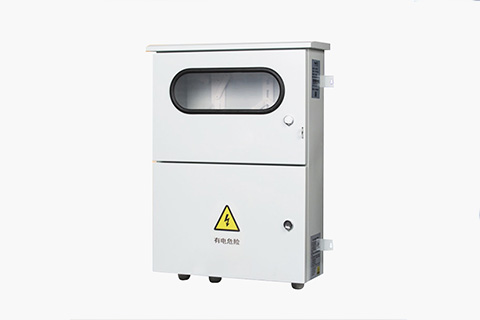
简中In today’s electrical and power engineering landscape, system integration has become more intricate than ever. Whether in renewable energy installations, industrial automation, or smart infrastructure, engineers face the challenge of connecting numerous components into one reliable and coordinated system. Amid all these elements, the combiner box plays an essential yet often underestimated role. It acts as the bridge that brings structure, protection, and intelligence to complex integrations.

1. Organizing Complexity Through Structure
Large-scale systems often involve multiple circuits that must operate seamlessly together. The combiner box streamlines this complexity by gathering multiple input lines — for example, from solar strings or distributed power units — into a single, unified output. This not only simplifies the wiring layout but also enhances overall system clarity. Through structured design, engineers can easily trace connections, perform maintenance, and ensure efficient load management without the confusion of tangled cabling or uneven power distribution.
2. Building a Unified Protection Framework
Every integrated system faces potential risks such as overload, short circuit, or voltage fluctuation. The combiner box mitigates these risks through carefully configured fuses, circuit breakers, and surge protection components. By centralizing these protection measures, it allows faults to be contained quickly, preventing cascading failures that could affect other parts of the system. This unified protection framework transforms what could be a fragile network into a more dependable and secure operation.
3. Improving System Monitoring and Transparency
Integration isn’t only about electrical connection — it’s also about visibility. Modern combiner boxes often include monitoring functions that measure current, voltage, and circuit status in real time. These data points are transmitted to control platforms, allowing operators to evaluate performance, identify irregularities, and make informed maintenance decisions. Through this integration of intelligence, the combiner box becomes a vital link between hardware and digital control, strengthening the reliability of the entire system.
4. Supporting Coordination Between Diverse Components
Different parts of a system often come from various manufacturers, each with distinct characteristics. The combiner box ensures that these components can work together harmoniously. By maintaining consistent parameters and stable current output, it helps avoid conflicts between upstream and downstream equipment such as inverters, controllers, or distribution panels. In doing so, it promotes smooth coordination and ensures that the entire network functions as one coherent unit.
5. Enabling Future Scalability and Maintenance Efficiency
System integration is not static — it evolves. As operations expand or upgrade, flexibility becomes crucial. The combiner box supports this by offering modular design and easy accessibility for both inspection and expansion. Engineers can add new circuits or perform maintenance without disrupting the ongoing operation. This foresight in design ensures long-term adaptability and minimizes downtime, making it an asset not only for today’s system but also for future growth.
Conclusion
The combiner box may appear simple on the surface, yet it carries out some of the most critical functions in system integration — organizing, protecting, and connecting. It stands as the silent coordinator that gives structure to complexity and stability to innovation. In every successful project, there is always a point where multiple paths converge into one — and more often than not, that point is the combiner box.


