
 简中
简中In the modern power system, where electricity generation and consumption are increasingly decentralized, the grid-connected box plays a pivotal role. It serves as the intelligent bridge that connects local power sources—such as photovoltaic panels, wind generators, or backup systems—to the public grid. Its purpose goes far beyond simple electrical linkage; it is the heart of coordination, protection, and balance within the entire flow of energy.
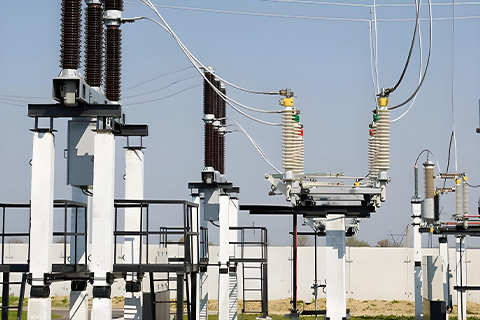
At its core, the grid-connected box manages the direction and quality of power flow. When electricity is generated from a source, the box monitors parameters such as voltage, current, and frequency to ensure that the output matches the grid’s operational standards. This alignment is essential—without it, even a well-performing generator could disrupt the grid’s stability. Through a network of sensors, controllers, and protection relays, the grid-connected box continuously fine-tunes the exchange between the source and the network, maintaining harmony in every cycle of power transmission.
Another critical function lies in bidirectional control. Modern systems often allow both the supply of energy to the grid and the drawing of power when generation drops. The grid-connected box manages this transition smoothly. When the power source produces more energy than needed, it channels the surplus into the grid. Conversely, when generation is insufficient, it safely allows electricity to flow in the opposite direction—back to the local system—without interference or overload.
Protection is another silent responsibility that defines the reliability of a grid-connected box. It safeguards against faults such as short circuits, reverse currents, and overvoltage. Once any abnormal condition is detected, the box immediately isolates the affected circuit, preventing wider damage. This kind of precision and responsiveness reflects the engineering philosophy that guides modern electrical infrastructure—every connection matters, and every second counts.
Communication capability further enhances its value. With the integration of intelligent monitoring systems, operators can access real-time data on performance, analyze efficiency, and even control operations remotely. The grid-connected box thus becomes not just a passive component but an active participant in power management, supporting predictive maintenance and efficient dispatching.
Yet, beyond its technical sophistication, there is something deeply reassuring about its role. The grid-connected box stands quietly at the junction between creation and consumption, transforming complex electrical interactions into a seamless, dependable current. It is a symbol of trust in modern engineering—a reminder that stability and progress often depend on the unseen mechanisms working faithfully behind the scenes.

In essence, the grid-connected box manages power flow not only through technology but through precision, foresight, and silent dedication. It ensures that the journey of energy—from its generation point to the vast network beyond—remains steady, safe, and continuous, lighting homes, powering industries, and sustaining the rhythm of daily life.


