
 简中
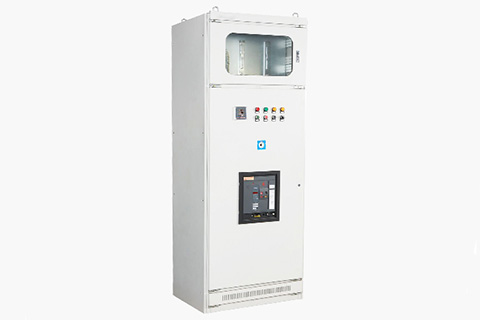
简中In today’s evolving power systems, the grid-connected box has become an indispensable part of energy management and control. Beyond its physical role in linking distributed energy sources to the main grid, its true value lies in the data it provides. The insights gathered from operational data help engineers, maintenance teams, and decision-makers better understand system performance, efficiency, and long-term reliability.

1. Voltage and Current Measurements
At the heart of every grid-connected box lies precise monitoring of voltage and current levels. These parameters reflect the real-time condition of the system, enabling operators to maintain balanced loads and detect any deviation that could signal faults or inefficiencies. Stable voltage and current readings ensure that the entire network runs within its designed capacity, safeguarding both the grid and connected devices.
2. Power Output and Energy Flow
Monitoring power output—both active and reactive—provides a direct picture of how effectively energy is being transferred to the grid. Over time, this data helps assess the system’s performance trends and detect irregularities that may affect stability. Energy flow information also aids in optimizing dispatch schedules and improving the coordination between multiple distributed generation sources.
3. Temperature and Component Health
Thermal data from key components such as circuit breakers, busbars, and connectors is vital. Unusual temperature rises often precede equipment degradation or overloads. By tracking these temperature readings, maintenance teams can predict potential failures before they occur, ensuring that the system remains safe and continuously operational.
4. Fault and Alarm Records
One of the most practical features of a grid-connected box is its built-in fault logging system. It records events such as overcurrent, insulation failure, and communication errors. These records not only support troubleshooting in real time but also serve as a historical reference for improving future system configurations and maintenance strategies.
5. Communication and Control Signals
Modern grid-connected boxes often operate within intelligent networks, communicating data through standardized protocols. Tracking communication status, signal integrity, and command response times ensures that remote monitoring systems and supervisory controls are functioning as intended. Smooth communication means smooth coordination—an essential factor in integrated grid environments.
Conclusion
Every data point within a grid-connected box tells a story—a story of stability, efficiency, and continuous improvement. By harnessing these operational insights, engineers don’t just maintain equipment; they build trust in the infrastructure that powers communities and industries alike. As the demand for reliability grows, these seemingly technical readings become the foundation for a smarter, more resilient power network—one that connects technology with purpose and performance.


