
 简中
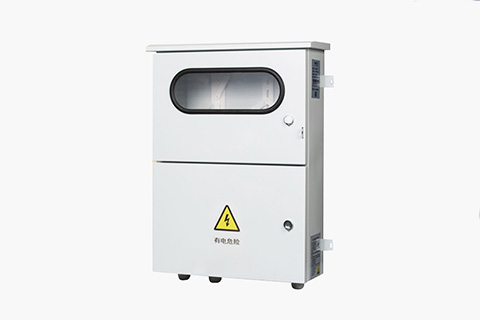
简中As power systems continue to evolve, the combiner box — a component often considered simple in structure — is gradually taking on greater technical and strategic significance. Once viewed mainly as a passive junction point for electrical circuits, it is now positioned at the intersection of safety, intelligence, and system efficiency. The question is no longer what a combiner box does, but how it will continue to adapt in the era of smarter, more integrated power networks.
1. Toward Smarter System Integration
Future combiner box design is expected to go beyond basic current collection. It will integrate monitoring, data communication, and intelligent diagnostics to form a more interactive part of the overall system. Embedded sensors and communication modules will allow real-time tracking of voltage, current, and temperature, transmitting data to central management platforms. This shift from passive functionality to active intelligence will enhance the visibility and controllability of every circuit — a key step in building smarter, more coordinated power infrastructures.
2. A Stronger Focus on Modular and Flexible Design
As systems expand and diversify, the ability to scale efficiently becomes increasingly important. Future combiner boxes will likely adopt modular architectures, allowing engineers to add, remove, or reconfigure components with minimal downtime. Flexible busbar arrangements, detachable terminals, and adaptable layouts will make installations easier and maintenance faster. This modular thinking not only reduces design complexity but also extends the service life of the overall system by supporting upgrades without full replacements.
3. Enhanced Protection and Reliability Standards
In power systems, protection is non-negotiable. Future standards for combiner box design will continue to refine requirements for insulation strength, fault isolation, and overcurrent protection. Integration of advanced materials and high-precision breakers will improve performance consistency under varying loads. Surge and arc-fault detection technologies are expected to become standard features, ensuring the safety of both personnel and connected equipment. These evolving standards reflect a broader industry commitment — not just to compliance, but to enduring reliability.
4. Data-Driven Maintenance and Predictive Monitoring
With digital monitoring now an integral part of power systems, the combiner box will play a more active role in predictive maintenance. Through continuous measurement and trend analysis, it will help identify potential issues such as uneven current distribution or connector degradation before they escalate into failures. This predictive approach transforms maintenance from a reactive task into a strategic tool, optimizing performance while reducing operational interruptions.
5. Alignment with Global Standardization Efforts
As power distribution systems become increasingly interconnected across regions, standardization will continue to evolve toward global alignment. Future combiner box standards will emphasize not only electrical safety and performance but also interoperability. Uniform testing methods, labeling requirements, and data communication protocols will make cross-system integration smoother, facilitating cooperation between manufacturers, installers, and operators worldwide.

Conclusion
The future of the combiner box is not defined solely by new materials or technologies — it lies in the harmony between intelligence, safety, and adaptability. As design philosophies evolve and standards mature, the combiner box will continue to embody the principles of precision, foresight, and reliability that underpin every successful power system. It may remain physically small, but its role will grow larger — quietly supporting the connections that keep modern energy networks alive, stable, and forward-looking.


