
 简中
简中In a modern power system, stability and safety depend not only on generation capacity but also on the reliability of every connection in the circuit. Among the many devices that ensure this reliability, the combiner box plays a vital role. Though often modest in appearance, it performs one of the most important tasks in electrical engineering—protecting circuits, managing power flow, and maintaining order within complex energy systems.

1. The Core Function: Bringing Circuits Together Safely
At its foundation, a combiner box is designed to gather multiple input circuits from power sources—such as photovoltaic strings or distributed modules—and combine them into a single output. This process might sound simple, but it demands precision. The combiner box organizes the electrical layout, ensuring that each input is properly fused, balanced, and monitored. By doing so, it reduces wiring complexity and forms a unified, manageable connection to the next stage of the system, often an inverter or control cabinet.
2. Protecting Against Electrical Faults
Circuit protection lies at the heart of the combiner box’s purpose. Every string or circuit connected to it is equipped with fuses or circuit breakers that isolate faults such as overcurrent, short circuit, or reverse flow. When a fault occurs, the affected circuit is immediately disconnected, preventing the issue from spreading across the entire system. This localized protection is essential—it not only safeguards equipment but also helps maintain system continuity, reducing downtime and damage risk.
3. Supporting Accurate Monitoring and Maintenance
Modern combiner boxes are not just passive enclosures; they are intelligent monitoring units. They measure current, voltage, and temperature across each string, providing operators with real-time performance data. This visibility allows for early detection of abnormal conditions—like uneven current or excessive heating—before they evolve into serious problems. The ability to monitor each circuit individually enhances reliability and makes maintenance more efficient and predictive.
4. Enhancing Coordination with Other Protection Systems
The combiner box doesn’t work in isolation. It operates as part of a broader protection network that includes inverters, disconnect switches, and grid-connected cabinets. By coordinating with these components, it ensures that protection occurs in layers. If one layer detects a fault, the next layer provides backup. This cascading protection structure forms the backbone of a safe and resilient power distribution system.
5. Building Confidence in Every Connection
What gives the combiner box its quiet importance is not just its technical features but its role as a stabilizer in the flow of energy. It turns a cluster of independent circuits into a single, orderly stream of power—structured, balanced, and protected. Every connection inside the box represents the discipline and precision that define reliable engineering. Operators trust it because it stands as the first shield against electrical irregularities, ensuring that the energy system continues to run smoothly.
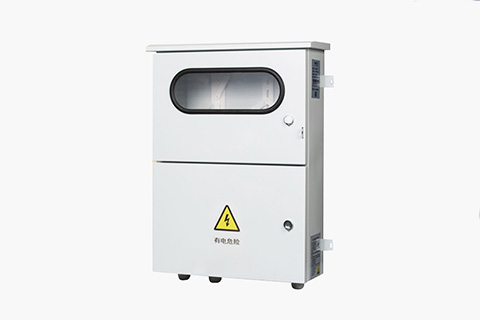
In essence, the combiner box is more than a junction point—it is a guardian of electrical integrity. It merges, protects, and communicates, embodying the principles of safety and precision that every modern power system depends upon. Though it works silently in the background, its contribution resonates throughout the network, ensuring that every circuit remains steady, every connection remains safe, and every moment of operation remains reliable.


