
 简中
简中In the landscape of modern power distribution, the grid-connected box stands as a silent yet indispensable component. It bridges the connection between power generation units—such as photovoltaic systems, wind turbines, or distributed generators—and the public grid. Though compact in structure, its role carries great importance: ensuring the stability, coordination, and safety of power flow within increasingly complex energy networks.
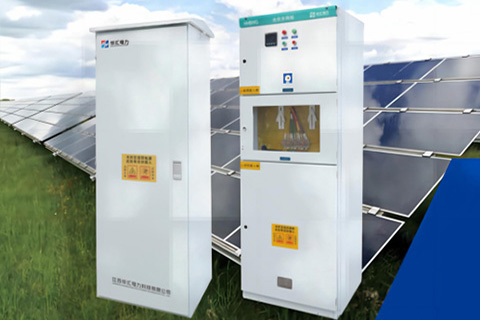
1. The Interface Between Generation and the Grid
At its core, the grid-connected box acts as a crucial interface. It manages the point where generated power enters the grid, maintaining synchronization between voltage, frequency, and phase. This process ensures that power is transferred efficiently and without disrupting grid balance. By enabling smooth and controlled energy delivery, the grid-connected box supports the harmony between diverse energy sources and the public network—a task essential in today’s distributed generation systems.
2. Ensuring Electrical Protection and Stability
Safety is at the heart of modern power distribution, and the grid-connected box fulfills this responsibility with precision. It integrates protection mechanisms such as circuit breakers, fuses, surge protectors, and isolation switches. These components safeguard both equipment and personnel from risks like short circuits, overloads, or reverse currents. Through timely fault detection and isolation, the grid-connected box maintains system continuity, allowing power to flow securely even when unexpected issues occur.
3. Enabling Real-Time Monitoring and Control
Modern power systems rely heavily on visibility and control. The grid-connected box often incorporates monitoring functions that track parameters such as current, voltage, power factor, and energy output. These data points are transmitted to control centers, where operators can assess performance, detect anomalies, and optimize system efficiency. By connecting field devices to digital management platforms, the grid-connected box serves as both a protector and a communicator—bridging physical infrastructure with intelligent management.
4. Facilitating Power Quality and Coordination
Power quality determines the health of any distribution network. The grid-connected box helps regulate reactive power, reduce harmonics, and balance load distribution, ensuring a smoother and more stable current flow. Its ability to maintain power integrity supports sensitive downstream equipment and contributes to a reliable energy supply. This balancing act is particularly vital in networks that integrate diverse power sources with varying output characteristics.
5. Supporting System Scalability and Maintenance
As power networks expand, flexibility becomes crucial. The grid-connected box is designed with modularity in mind, allowing for easy installation, maintenance, and future upgrades. Whether it’s adding new power lines or integrating additional generation units, the grid-connected box simplifies the process while maintaining operational safety. This scalability reflects not only technical foresight but also an understanding of the dynamic nature of modern energy systems.

Conclusion
In the story of modern power distribution, the grid-connected box is both the guardian and the guide. It stands quietly between energy and infrastructure, managing flows, protecting circuits, and transmitting intelligence. Behind every stable current and illuminated street lies the unseen reliability of this small yet powerful system. The grid-connected box is more than a piece of equipment—it is a symbol of precision, trust, and the invisible order that keeps modern power systems running smoothly.


