
 简中
简中In the vast network of modern power infrastructure, the grid-connected cabinet serves as a vital yet often overlooked component. While it may appear as a simple electrical enclosure, its function extends far beyond housing equipment — it is the command point where coordination, safety, and intelligence converge. As power systems evolve toward higher efficiency and deeper interconnection, the grid-connected cabinet becomes an indispensable bridge between energy sources and the public grid.
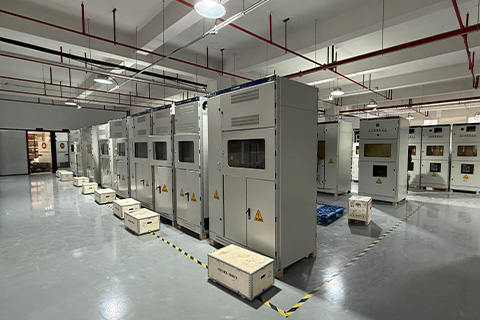
1. The Connection Between Power Generation and the Grid
At its essence, the grid-connected cabinet is responsible for linking distributed power generation units — such as solar arrays, wind turbines, or localized power stations — with the main grid. It ensures synchronization of voltage, current, and frequency, allowing energy to flow steadily and in harmony with the larger network. This connection is not merely physical; it represents the seamless integration of new energy sources into established power infrastructures. Without it, the balance and reliability of the entire system could be compromised.
2. Safeguarding the Stability of the Network
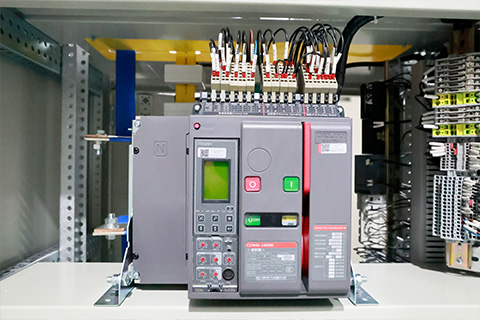
Every electrical system depends on protection mechanisms to operate safely. The grid-connected cabinet fulfills this role through its built-in circuit breakers, isolation switches, and surge protection devices. These components work together to detect faults, isolate them instantly, and prevent failures from spreading. By ensuring fast response and precise protection, the cabinet helps maintain network stability — safeguarding both the equipment and the people who depend on it.
3. Enabling Intelligent Monitoring and Management
Modern power infrastructure is no longer defined by manual control alone. Today’s grid-connected cabinets are equipped with real-time monitoring and communication modules that track voltage, current, and operational status. This data can be transmitted to central control systems, allowing operators to analyze trends, anticipate issues, and optimize performance. In this way, the cabinet transforms from a passive device into an intelligent interface — a silent communicator within the grid’s digital nervous system.
4. Supporting Scalability and Adaptability
The energy landscape is constantly evolving, and infrastructure must evolve with it. The grid-connected cabinet’s modular structure makes it adaptable to system expansion and technological upgrades. Whether integrating new renewable sources or adding capacity to existing networks, the cabinet’s flexible design ensures smooth adaptation without extensive reconstruction. Its forward-looking engineering reflects a key principle of modern power systems — to remain ready for the future while performing reliably in the present.
5. Reinforcing Operational Reliability
Reliability is not achieved through one component alone; it is built through the cooperation of many. The grid-connected cabinet plays its part by ensuring consistent power delivery, proper load distribution, and coordinated switching between different energy sources. Its role, though often hidden, is central to maintaining the continuous and dependable flow of electricity that modern society relies upon daily.
Conclusion
The grid-connected cabinet is more than an electrical enclosure — it is the quiet guardian of modern power infrastructure. It connects, protects, and communicates, holding together the invisible framework that powers cities, industries, and communities. Its importance lies not in its appearance, but in its steady performance and silent contribution to a system built on trust and precision.
In every hum of current and every illuminated circuit, the presence of the grid-connected cabinet can be felt — a symbol of the unseen reliability that keeps modern life running.


